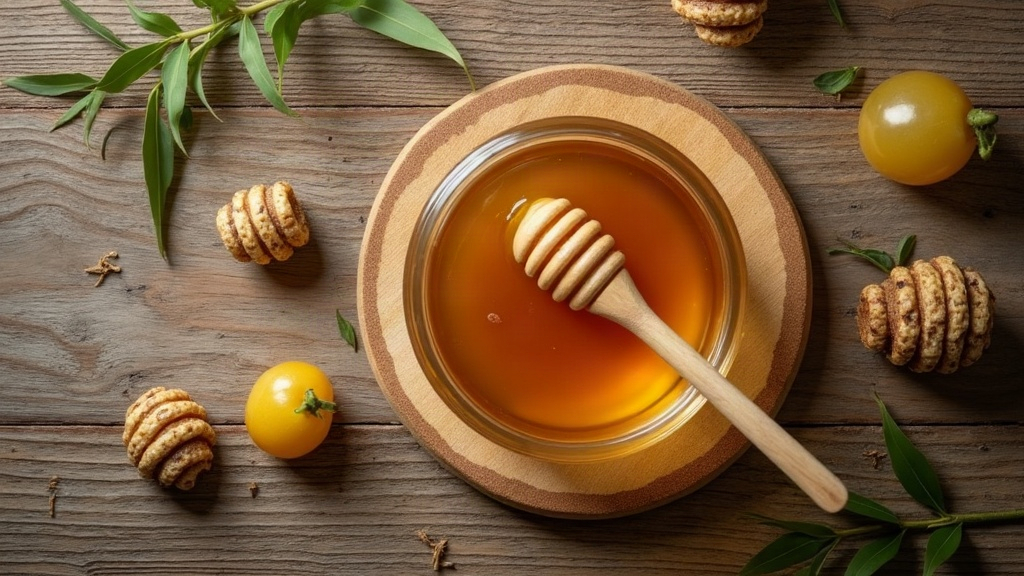
This presentation looks at how a simple kitchen staple — honey — fits into daily routines built around focus, recall, and mental clarity after 50. No promises, just context worth understanding before you form an opinion.
Memory doesn’t change overnight. It shifts gradually, shaped by sleep, stress, daily habits, and time itself. Here’s a sober look at four common patterns people notice.
Names, dates, or where you left your keys — retrieval can take a beat longer than it used to, and that's a common part of getting older.
Sleep patterns often change with age, and poor rest can leave the mind feeling less sharp during the day.
What you eat and drink each day — including simple staples like honey in tea or breakfast — becomes part of a routine most people never examine closely.
Multitasking or sustained attention can feel more demanding than it once did, especially later in the day.
Misinformation spreads quickly. Here’s a plain comparison between common claims and what’s more reasonably understood.
Memory decline after 50 is inevitable and impossible to influence.
Everyday factors — sleep quality, stress levels, and nutrition — all play a role in how sharp a person feels day to day.
Natural ingredients like honey have no place in a thoughtful daily routine.
Traditional diets across many cultures have long included natural staples such as honey, and researchers continue to study these dietary patterns with interest.
Forgetting something once means a serious problem is developing.
Occasional forgetfulness is common at any age and is often tied to distraction, fatigue, or simply having too much on one’s plate.
No shortcuts, no miracle claims — just a straightforward way to think about daily habits and mental clarity.
Before changing anything, it helps to notice existing routines: sleep timing, meals, stress spikes, and quiet moments of distraction.
Diet is one piece of a much larger picture. Traditional staples like honey are often part of long-standing eating patterns that people are revisiting with fresh curiosity.
Small, repeatable habits tend to matter more over time than short bursts of drastic change.
Honey has been part of human diets for thousands of years, used across cultures as a natural sweetener and a staple in traditional food practices. In recent years, modern researchers have taken a renewed interest in traditional ingredients, examining how staples like honey fit into broader dietary and lifestyle patterns. This isn’t a new discovery — it’s an old ingredient being looked at through a more contemporary lens.
The takeaway isn’t that honey is a cure or a treatment. It’s that simple, traditional ingredients are being re-examined as part of everyday habits, not as a substitute for medical care.
Losing track of keys, glasses, or the phone more often than usual can be worth noting over time.
Difficulty keeping up with a group discussion or losing the thread mid-conversation is a pattern some people describe.
Forgetting what you were about to say, more than occasionally, is something some people choose to mention to a doctor.
Relying more heavily on notes, alarms, or calendar alerts than in previous years is a shift worth being aware of.
A dip in clarity later in the day is common, though persistent fog is worth discussing with a healthcare professional.
Struggling to remember what happened earlier that same day, more than occasionally, is a pattern some people choose to monitor.
These are individual accounts shared for illustrative purposes only. Names are fictitious representations. Results and experiences vary widely from person to person, and these statements are not a guarantee of any outcome.
No. This is educational content only and is not intended to diagnose, treat, cure, or prevent any disease or condition.
No. The presentation discusses honey in the context of traditional diets and everyday habits. It does not make treatment or improvement claims.
It’s designed for adults aged 50 and older who are curious about how daily habits, including diet, relate to everyday mental clarity.
The video presentation itself is free to watch. Any products mentioned within the presentation are optional and clearly disclosed.
The presentation references traditional dietary practices and general areas of ongoing research interest. It is not a substitute for professional medical advice.
No. Always consult a qualified healthcare professional regarding any health concerns, memory changes, or before making changes to your diet or routine.
It’s a short video designed to be watched in one sitting, at your own pace, with no pressure to act immediately.
Take a few minutes to watch the free video and see how a simple, traditional ingredient like honey fits into a broader conversation about daily habits after 50.
Advertising Disclosure: This page contains sponsored content and affiliate links. The owner of this website may receive compensation if you choose to click a link or make a purchase through the links provided. This helps support the operation of this site at no additional cost to you.
Content Disclaimer: This content is for educational and informational purposes only and has not been evaluated by the FDA. It is not intended to diagnose, treat, cure, or prevent any disease or health condition. Always consult a qualified healthcare professional before making any changes to your diet, lifestyle, or health routine.
Results Disclaimer: Individual results and experiences vary from person to person. Any testimonials or accounts shared on this page are individual experiences and are not a guarantee that you will achieve the same or similar results.
© 2026 · All Rights Reserved · Contact